|
|
Dave Barnes, British Antarctic Survey
|
|
|
CLIMATE
Antarctic octopuses sound a warning about sea-level rise
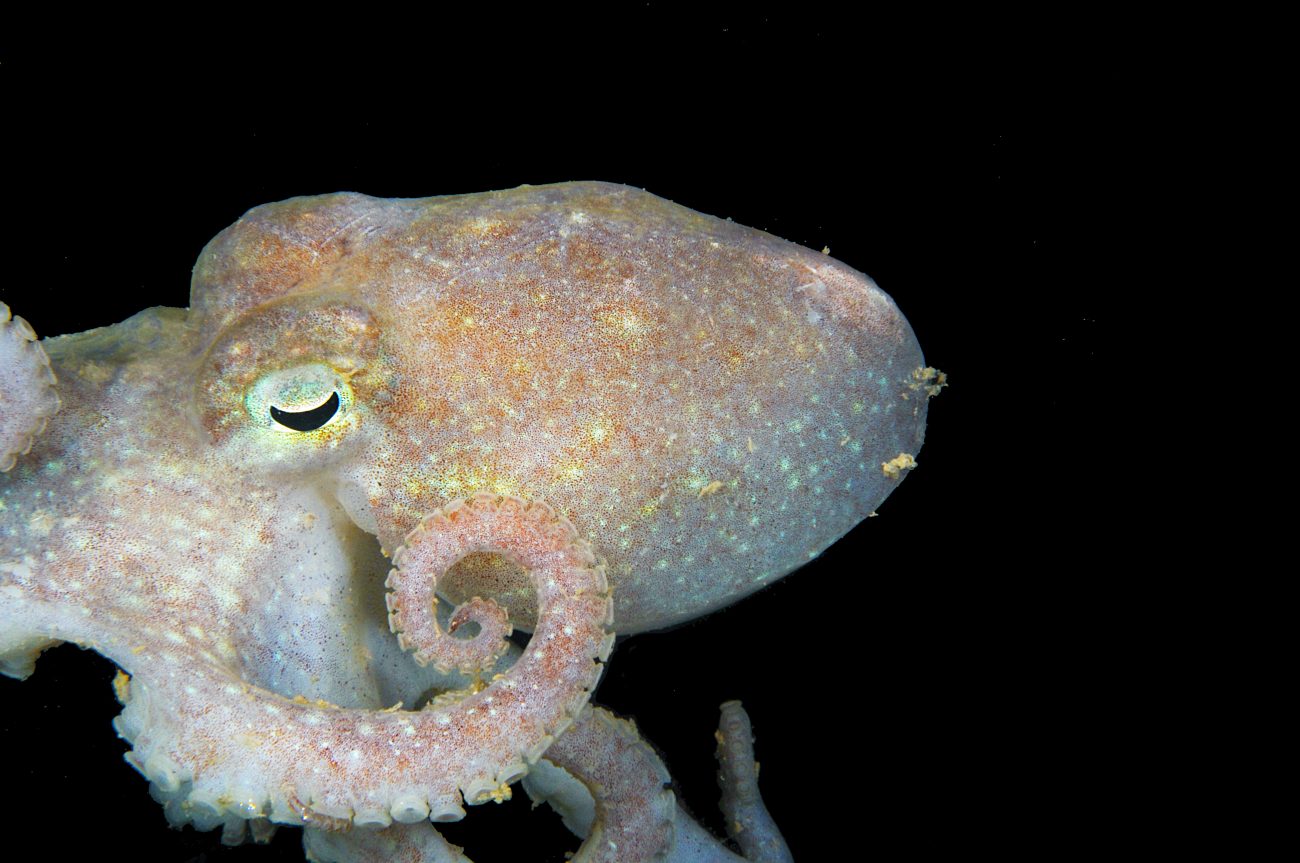
Turquet’s octopuses are about the size of your hand, pink and freckled, and they have a lot to say about what happened in Antarctica 125,000 years ago. Which is fortunate, because scientists have long been trying to figure out what happened in Antarctica 125,000 years ago. Back then, the planet was unusually warm, due to a wobble in Earth’s orbit: about as warm as it’s going to be in a decade or so. So, did the western half of Antarctica melt at that time? (Is it going to melt now?) Turns out scientists just needed to ask Turquet’s octopuses, because their DNA can tell us whether or not the West Antarctic ice sheet turned back into water.
Keep reading...
|
|

|
|
Giselle Clarkson
|
|
|
JUST SO
Looking to start a family? Time to bust a move
Some animals get only one chance to find a mate—and there’s a lot riding on their ability to perform. Blue-footed boobies lift their turquoise feet in turn, nod their heads, then stretch out their wings and gaze upwards—a manoeuvre dubbed “sky-pointing”. Male sage-grouses on North America’s Great Plains favour a kind of body-popping—thrusting their chests forwards to fling out their bulbous, colourful air-sacs, which make a rhythmic, watery, two-toned sound that travels for up to three kilometres. Flamingos, meanwhile, strut and high-step in unison, or tiptoe back and forth in synchronised groups, their gangly yellow legs appearing to move as one as they side-eye each other to see who has the best moves. And we haven’t even talked about spiders. Spiders outdance them all. Keep reading...
|
|
|
|
Richard Robinson
|
|
|
WILDLIFE
Why do large groups of whales and dolphins strand themselves?
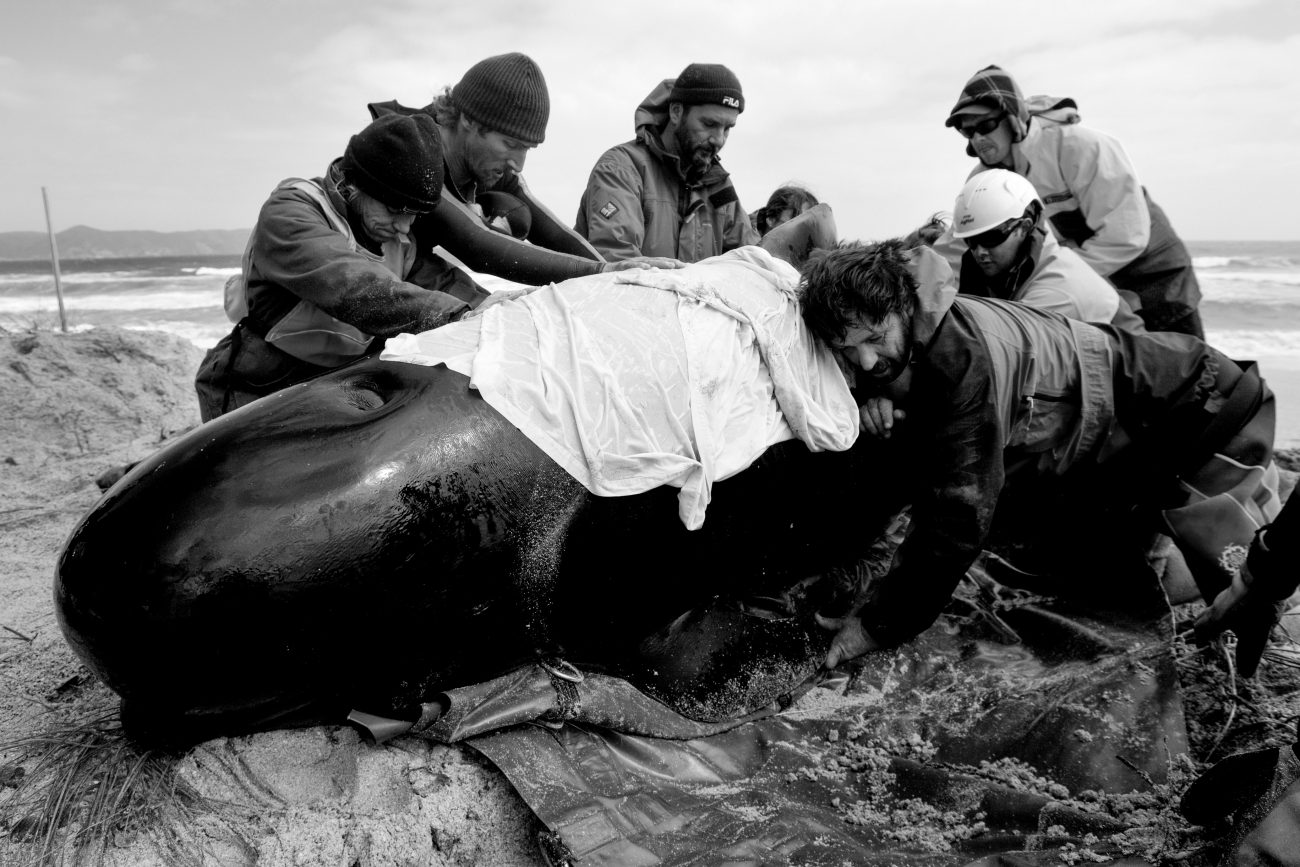
“Every year, their tragedy plays out on our shores,” writes New Zealand Geographic founding editor Kennedy Warne. “We see news footage of their sleek, coal-black bodies rolled and tumbled by the surf and strewn along sandy beaches like driftwood logs.”
This week, it happened again: a group of around 40 whales and dolphins stranded, and then re-stranded, at Māhia in Hawke’s Bay. After intensive efforts to save them, they were finally euthanised on Sunday.
Kennedy’s story explores why pilot whales strand—the species most susceptible to getting stuck. He learns that some of our beaches are “whale traps”: parts of the coastline that trick the whales’ sonar until it’s too late.
Keep reading...
|
|
|
PARTNER CONTENT
Gone for good
Every investor has a slightly different set of values, but surveys show the key areas of concern have remained fairly consistent over the years: climate change, human rights violations and labour rights violations.
Excluding sectors that cause harm—such as nuclear weapons, tobacco or mining for more fossil fuels—is fairly standard practice in sustainable investing and AMP New Zealand has been doing this for years. But a new wholesale Global Climate Fund that it is planning to launch will accentuate the positive rather than simply avoid the negative by investing directly into promising companies from New Zealand and around the world that are looking to speed up the transition to a low-carbon economy. As AMP’s Aaron Klee says: “We want to swim with the tide. But we also want to get into the new currents that will evolve. That’s what we believe in, but we also believe it will enhance returns. It’s quite an exciting time in the industry, and it’s evolving fast.” Keep reading...
|
|
|