|
| |
Under the mountain
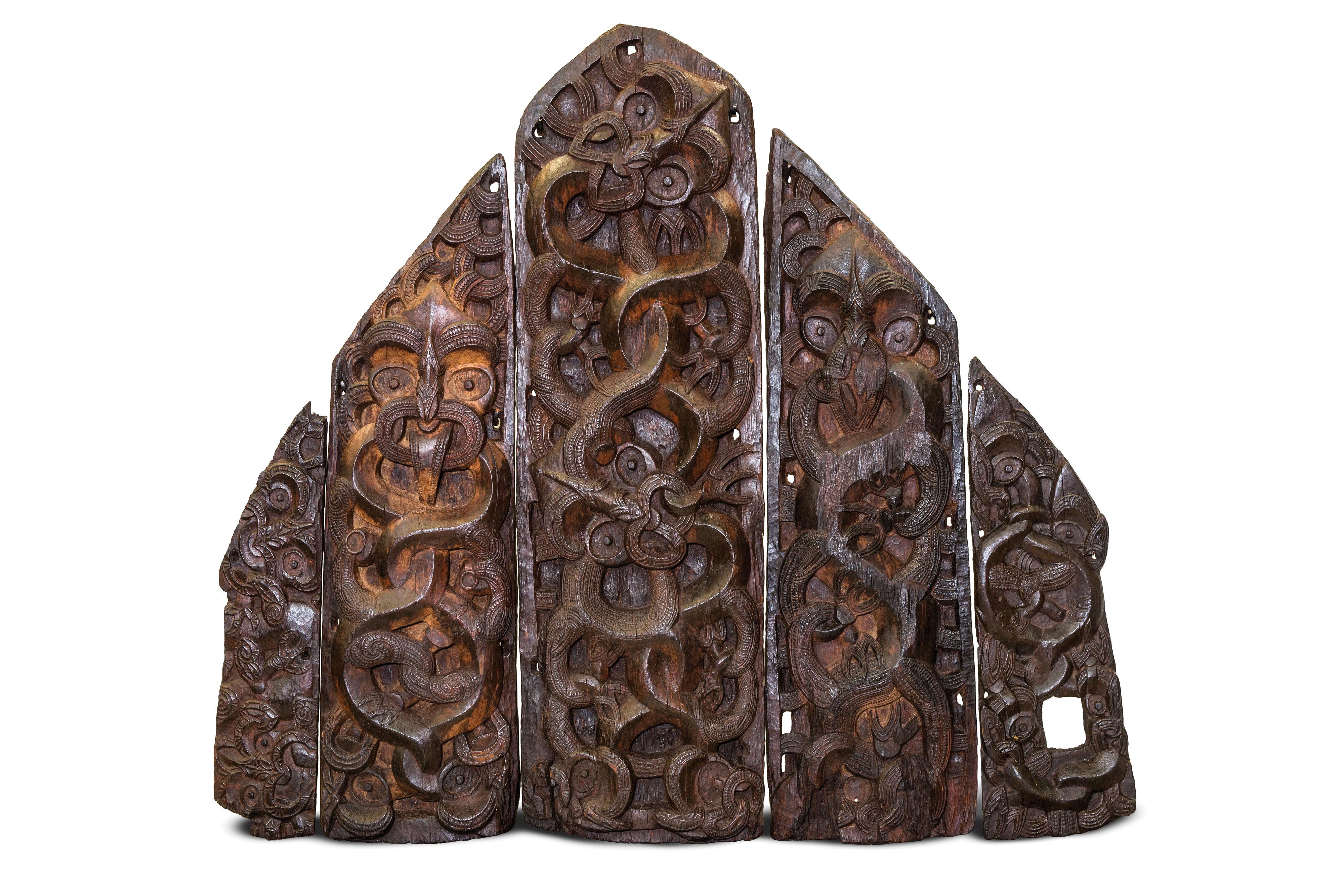
On the eve of the apocalypse, the old people hid the treasure. They said karakia to ward off the terror and panic. Clear heads, steady hands, quick feet, teamwork, a plan. Future-proofing. They dismantled the pātaka (storage house) and carried the five carved panels to Peropero, a swamp just north of Waitara. They placed the taonga in the gentle arms of mother Earth.
The rangatira carved into the tōtara took one last look at the blistering Taranaki sky before they let go, sank beneath the surface and went to sleep. Power-save mode was fully activated.
One hundred and fifty years later, the taonga awoke—and in Issue 179, in an excerpt from her book Te Motunui Epa, Rachel Buchanan tells the extraordinary story of what happened next. Keep reading...
|
|
|
| |
"I love these birds"
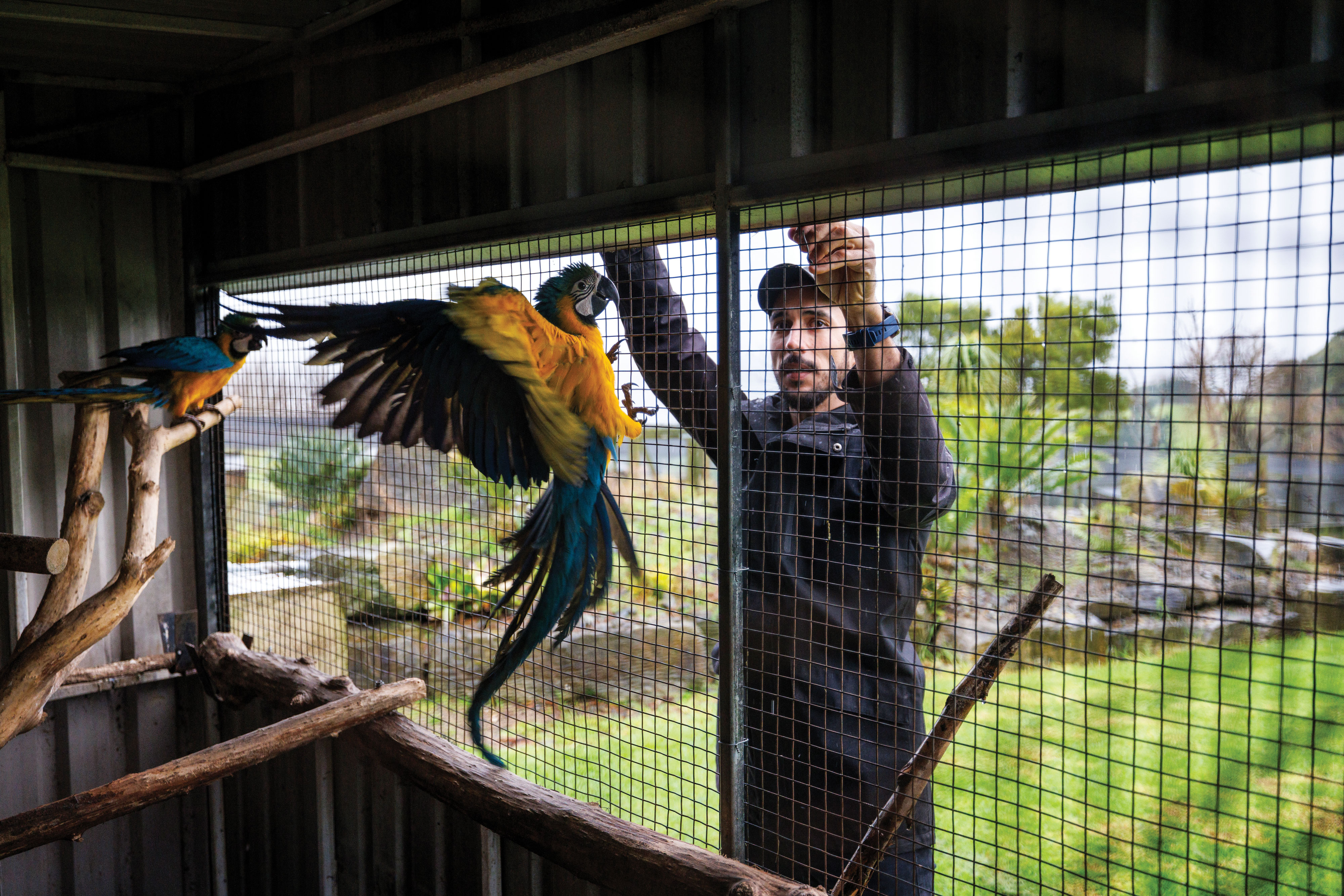
Pablo is a pet macaw, much like the one pictured, who has been missing from his family in Russell for a week now. Now the desperate (and highly publicised) search for the bird, beloved by most in his community, is apparently inspiring some wannabe parrot-owners. “Do not go out and buy a macaw,” warned Pablo’s owner on Facebook yesterday. “Owning a macaw is incredibly challenging and certainly not for most people. I know a lot of people have fallen In love with Pablo and may be thinking if buying a macaw. STOP!!! Think very, very carefully.” Last year Auckland authorities took parrot hesitancy a step further and banned six species due to concerns over escapees’ impact on native ecosystems. In issue 177 Ellen Rykers and Richard Robinson document the Big Bird Ban—and the people devoted to their parrots. Leno Dima (pictured), an aviary manager of a private collection near Whangārei, gently scritches the feathers on the back of a macaw's head. The parrot closes her eyes in bliss. "I love these birds," he sighs. Keep reading...
|
|
|
| |
Subscribe and support local journalism
While advertising and retail income goes up and down, it is subscriptions from readers like you that power long-term journalism projects from around New Zealand and help us keep the lights on.
It's not as much as you think—$8.50 every two months for digital, $12 for print or $16.50 for both... a gold coin a week. Check out the options.
|
|
|
|
| |
A way with the fairies
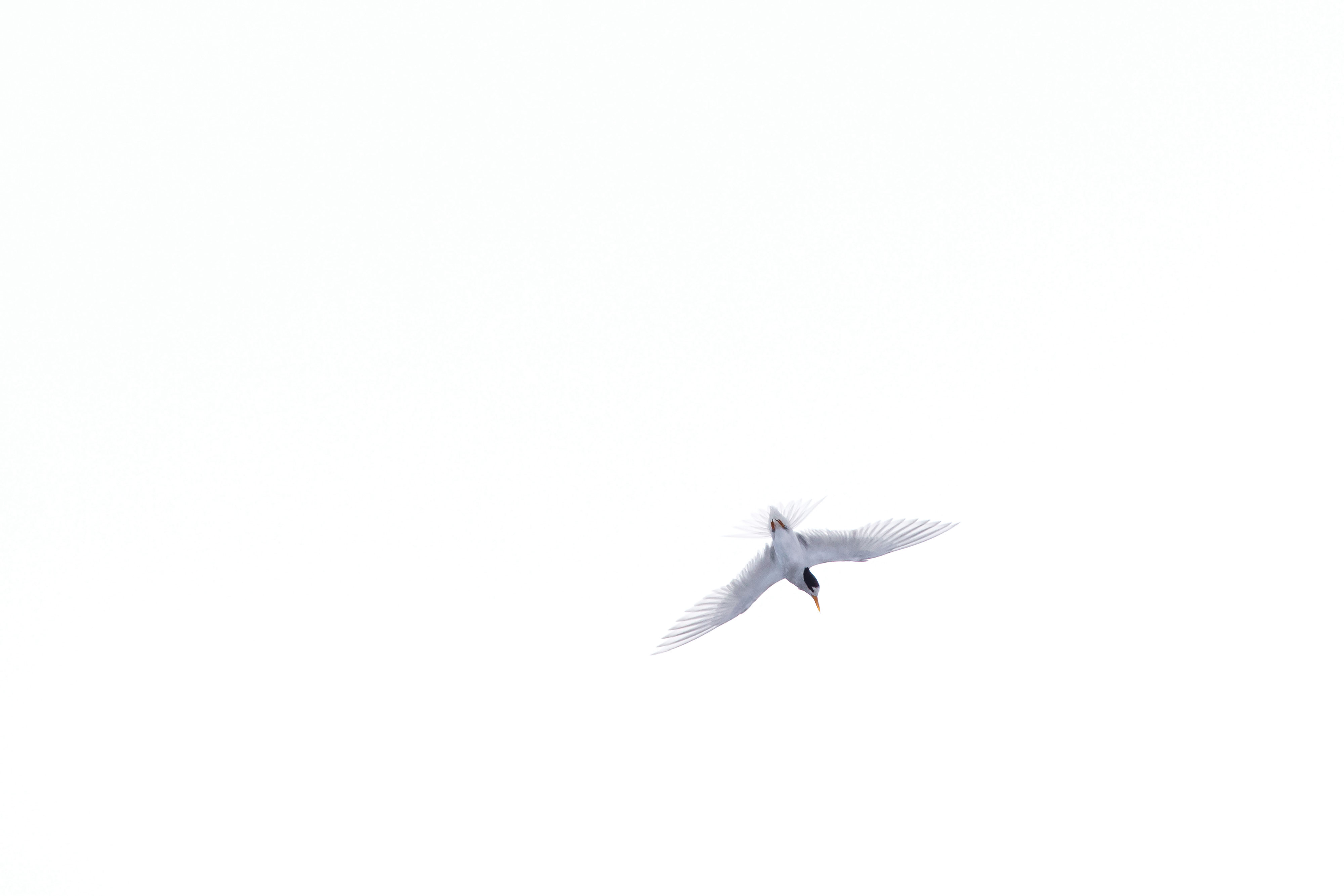
Booker-winning Eleanor Catton launches her hugely anticipated third novel into the world this week—and it’s right up our alley. Birnam Wood tells the story of a “fictional but familiar” national park, as Spinoff books editor Claire Mabey puts it in her review, and of the fight to save the fairy tern from oblivion. Might we recommend some supplementary reading? In Issue 162 Kate Evans and Richard Robinson head to Mangawhai, a beach about 100 kilometres north of Auckland, to document the rarest bird in New Zealand: Hiding is a fairy tern specialty, and in order to watch them we need to conceal ourselves as well. Drew leads me up to his hide, a small wooden box overlooking a flattish shell patch in front of the dunes. We stoop to go through the door, then sit down. The surf roars behind us, and ahead, across the estuary, the rising sun reflects off walls of glass—the flash waterfront baches of Mangawhai. Five pairs of fairy terns are raising chicks here, but at first I can’t see any of them. Then an adult comes swooping in. Keep reading…
|
|
 |
|